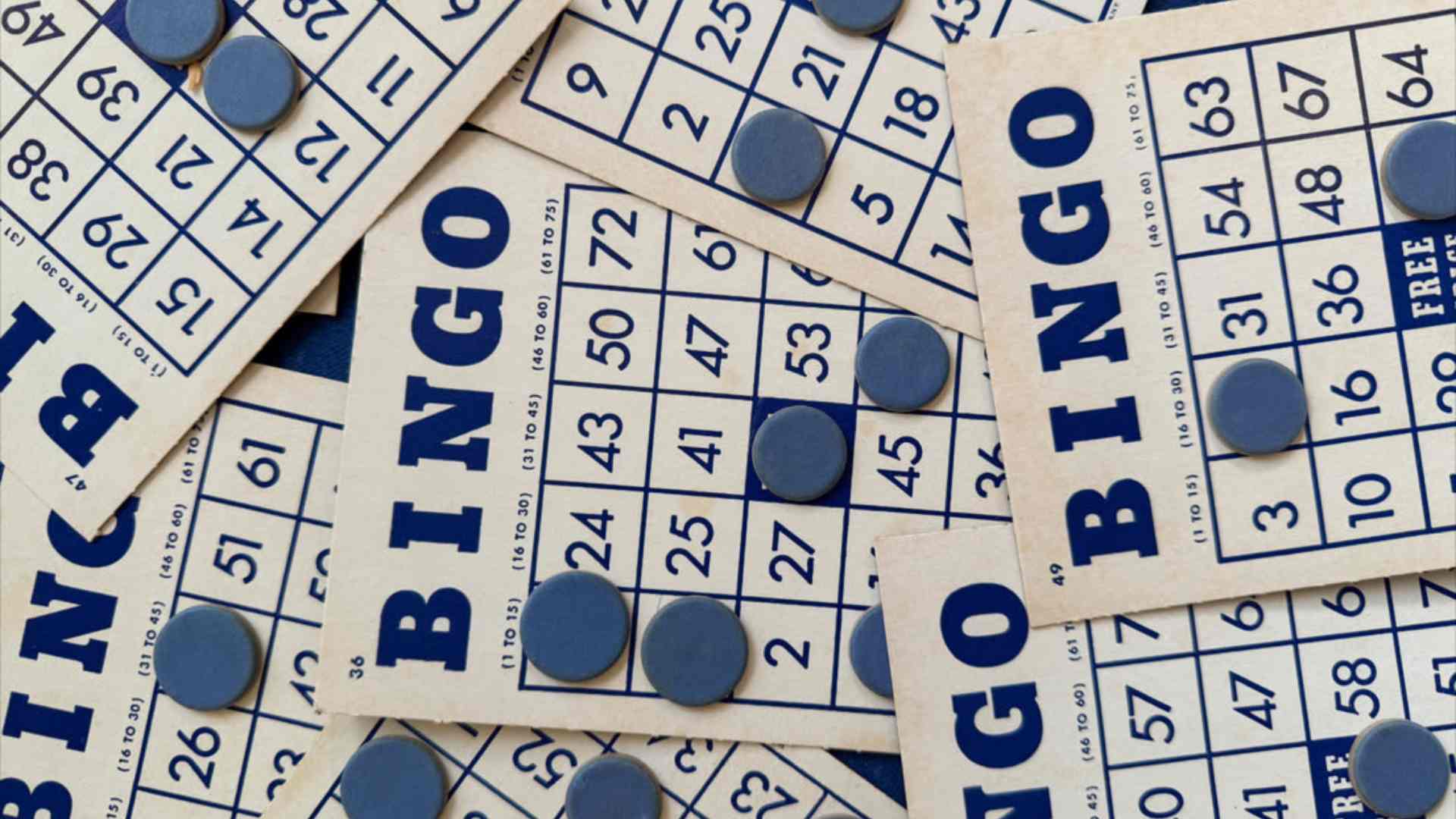
The world of numerical puzzles has experienced a dramatic transformation, moving far beyond basic math practice into highly competitive strategic mind games. Modern enthusiasts are constantly seeking innovative methods to decode complex matrix structures and sequential layouts. Developing a deeper tactical foundation allows individuals to elevate their analytical performance while enjoying a rewarding mental challenge.
The Core Framework of Advanced Mathematical Puzzles
To truly excel in high-level number games, players must first shift their focus from random estimation to strict deductive reasoning. Every placement of a digit or tactical adjustment relies on understanding overlapping boundaries and grid constraints within the puzzle ecosystem. Recognizing these structural rules early in the match transforms chaotic guesswork into a calculated logical progression.
Furthermore, advanced matrix layouts often require users to predict multiple potential outcomes before executing a single practical move. Training your brain to analyze these geometric variables builds excellent cognitive stamina and enhances long-term problem-solving speed. Over time, this disciplined approach turns complex computational problems into highly intuitive spatial arrangements.
Mastering Predictive Modeling and Sequence Analysis
Beyond standard deduction, true mastery requires integrating statistical distribution models and basic probability theories into your regular gameplay. Successful competitors evaluate the exact mathematical likelihood of missing variables based on the remaining visible digits inside the matrix. This systematic style of examination eliminates impossible options much faster than traditional trial-and-error processes.
Engaging regularly with progressive dynamic challenges can significantly sharpen your pattern recognition abilities. Many dedicated platforms provide helpful tools for analyzing historical match results, while communities like M88 Bet offer practical insights into modern logical systems. Utilizing these strategic frameworks ensures that your learning curve remains consistently high and deeply engaging.
The Critical Role of Systematic Elimination and Patience
One of the most valuable assets a puzzle solver can possess is tactical patience paired with methodical record-keeping. Rushing through intricate numerical sequences frequently results in careless structural errors that undermine the entire calculation path. Taking a measured, balanced approach ensures greater accuracy and builds a highly dependable framework for harder game stages.
Additionally, monitoring your past decisions allows you to spot precise moments where a specific line of deductive logic went astray. Cultivating this analytical habit converts accidental victories into repeatable, structured gameplay systems. In the realm of elite numerical strategy, steady consistency is always much more powerful than pure speed.
Long Term Benefits of Elevated Cognitive Exercises
Stepping up to more sophisticated levels of numerical gaming provides substantial rewards that extend well beyond digital entertainment. Scientific observations indicate that tackling structured logical problems stimulates critical neural networks in the prefrontal cortex, which directly improves working memory. Keeping your mind active with complex challenges serves as an outstanding method for preserving dynamic cognitive health.
Moreover, conquering a highly complex numerical puzzle delivers a profound sense of intrinsic satisfaction and lowers daily psychological stress. Spending just a short period each day focused on these structured exercises yields an ideal combination of sharpening your mind and relaxation. The developmental path from a standard player to a master strategist is an incredibly rewarding journey.