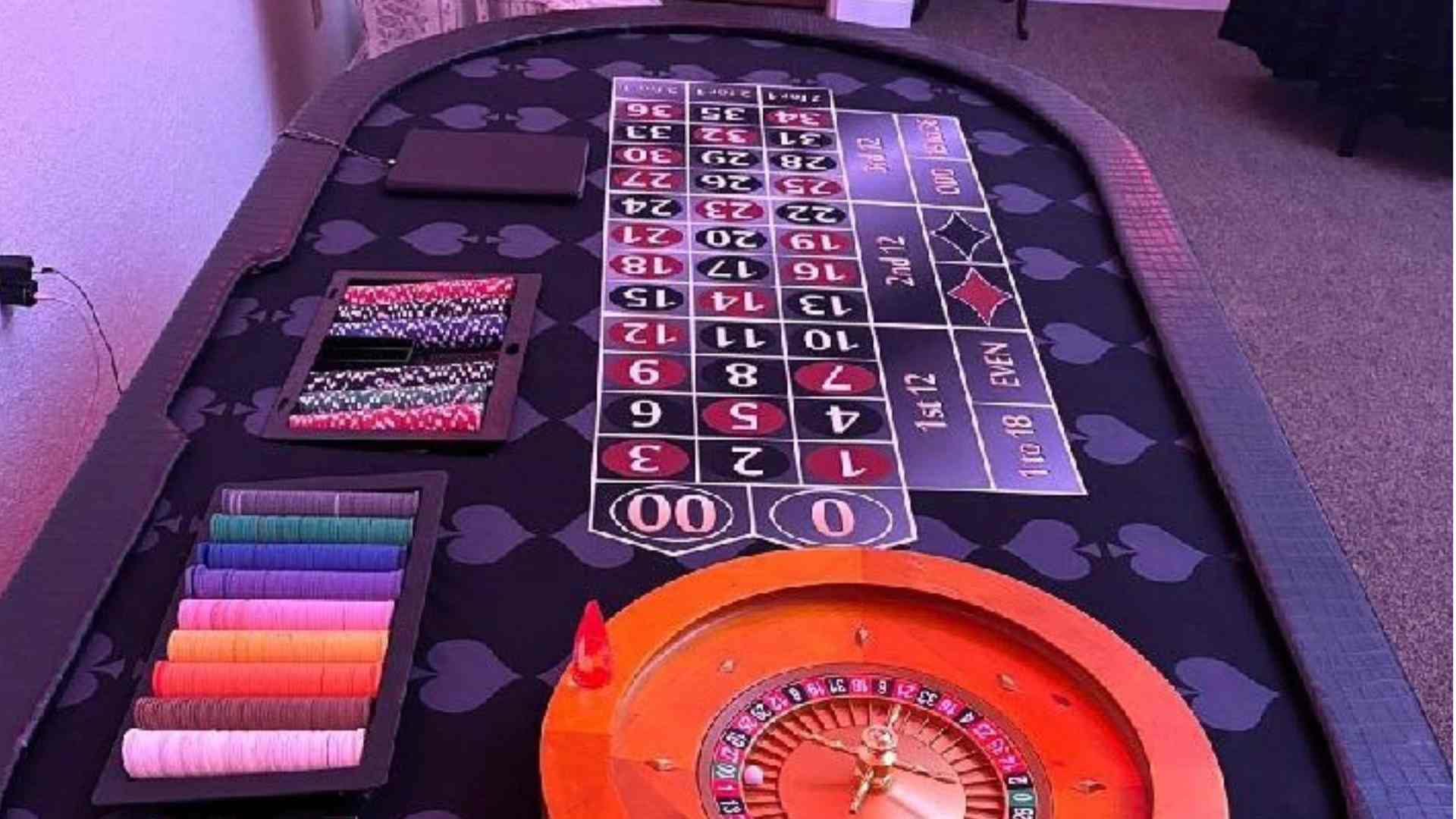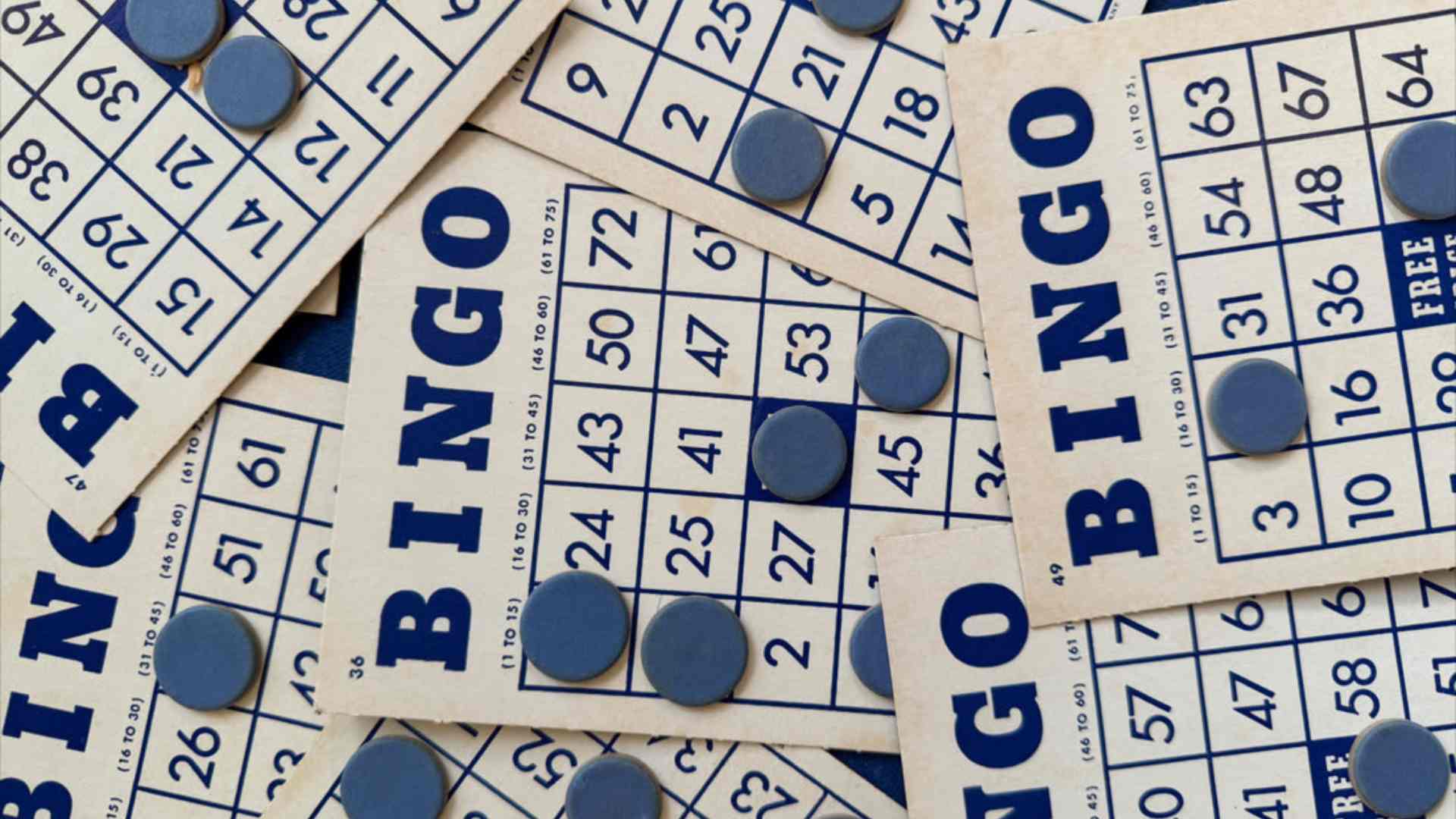
Human perception is rarely a neutral observer of events, especially when facing completely unpredictable outcomes. When individuals wait for a roll of the dice, a card draw, or a digital spinner, the brain generates an intense psychological buildup. This period of waiting fundamentally transforms how the final random result is processed and remembered.
The Psychology of the Uncertain Interim
The moments leading up to a randomized revelation trigger unique neurological responses rooted in expectation. During this brief window, the human brain actively simulates potential scenarios, shifting from passive observation to heightened focus. This cognitive activity ensures that the eventual discovery feels much more impactful than a sudden, unexpected disclosure.
When people experience this tension, their emotional investment spikes regardless of the actual stakes involved. The psychological journey of waiting creates a personal narrative around pure statistical chance. Consequently, a completely objective mathematical probability becomes deeply intertwined with subjective human emotion.
How Neural Rewards Shape Our Focus
Neuroscience reveals that dopamine levels spike dramatically during the active anticipation of an outcome rather than its actual acquisition. The brain thrives on the mystery of variable intervals, finding a unique form of stimulation in what might happen next. This internal chemical surge keeps audiences transfixed by rolling mechanics and spinning pointers across various modern mediums.
Engaging digital environments use these exact principles to build immersive user experiences that feel consistently fresh and thrilling. For instance, platforms like m88bet design interactive systems where the visual countdown to an outcome serves as the main source of user entertainment. The prolonged reveal transforms a basic algorithmic calculation into a meaningful spectator event.
The Construction of Personal Patterns
Because the human mind naturally rejects the concept of pure chaos, anticipation often leads observers to invent imaginary trends. When individuals spend time predicting a random event, they frequently attribute meaning to consecutive streaks or near misses. This psychological coping mechanism provides a false but comforting sense of control over a system governed entirely by luck.
A close loss often triggers a stronger mental reaction than a definitive defeat, pushing people to analyze what went wrong. The brain replays the preceding moments, convincing itself that the next attempt will yield a favorable shift in fortune. This continuous loop turns basic statistical variance into an unfolding story of personal perseverance.
Why the Countdown Matters for Retention
If every random outcome were delivered instantly, the emotional connection to the experience would completely vanish. The deliberate delay introduces theatrical tension, making the final destination feel earned rather than arbitrary. This structure ensures that unexpected highlights linger in human memory far longer than routine, everyday choices.
Ultimately, chance-based activities retain their global popularity because they mirror the inherent unpredictability of life itself. By framing a random calculation with visual and psychological build-up, creators turn basic math into captivating entertainment. The magic resides not in the cold data of the final number, but in the thrilling seconds spent waiting for it to arrive.